

Global Broker Regulation Inquiry App
WikiFX
English
简体中文
繁體中文
English
Pусский
日本語
ภาษาไทย
Tiếng Việt
Bahasa Indonesia
Español
हिन्दी
Filippiiniläinen
Français
Deutsch
Português
Türkçe
한국어
العربية
WTI Surges 8.5% Amid Hormuz Crisis; US Treasury Weighs Futures Intervention
Abstract:Oil prices recorded their largest single-day rally since 2020 as conflict in the Hormuz Strait intensifies, prompting the White House to consider unprecedented intervention in futures markets.
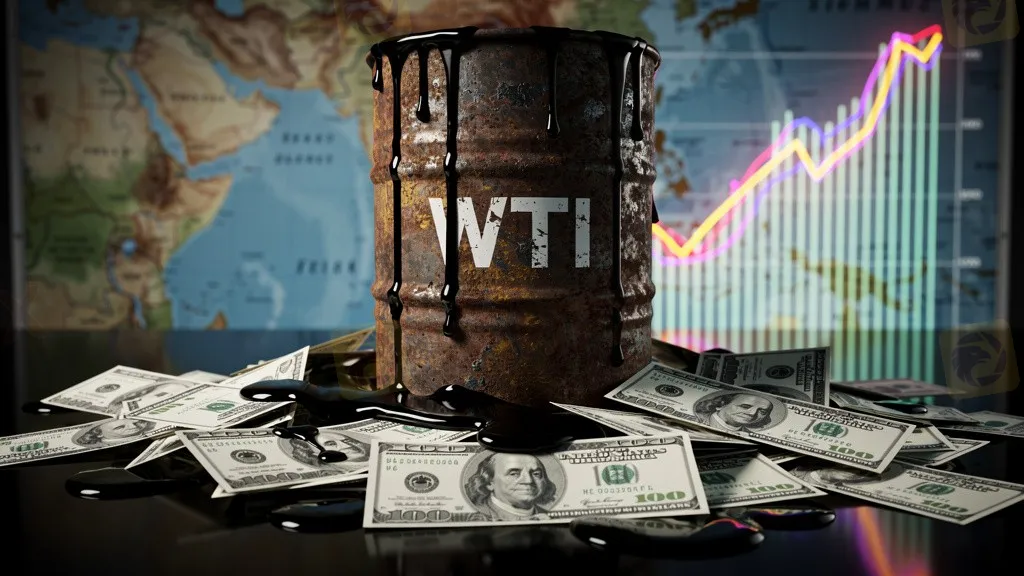
Crude oil markets witnessed an explosive rally on Thursday, with WTI surging 8.5% to settle near $81.00, marking its largest single-day percentage gain since 2020. The spike was driven by escalating geopolitical tensions in the Middle East, including reports of a US tanker being struck by a missile and Iranian claims regarding the closure of the strategic Hormuz Strait.
Supply Chain Shock
The unparalleled volatility stems from conflicting reports regarding the navigability of the Strait of Hormuz, a chokepoint for roughly 20% of the world's oil supply. While Iranian military officials claimed the strait is “under control” and effectively closed to hostile vessels, tracking data indicates commercial traffic has plummeted by over 95% as insurers pull coverage.
The supply disruption is already materializing in physical markets:
- WTI intraday highs breached $82.00.
- Brent Crude settled up nearly 5% at $85.41.
- US retail gasoline prices jumped 27 cents in a week.
Washington's Crisis Response
In a move that underscores the severity of the inflationary threat, White House officials revealed that the US Treasury is evaluating “unprecedented” options to stabilize prices. Beyond the traditional release of Strategic Petroleum Reserves (SPR), the Trump administration is reportedly considering direct intervention in oil futures markets—financial engineering aimed at crushing speculative premiums.
Despite the market turmoil, President Donald Trump downplayed the immediate price action, stating, “If it goes up, it goes up,” prioritizing the ongoing military campaign. However, the disconnect between the President's rhetoric and the Treasury's frantic contingency planning suggests deep concern over potential stagflationary headwinds facing the US economy.
Analyst View
Market participants warn that if the Hormuz blockade persists, oil could target the $95-$100 range rapidly. The resurgence of energy inflation complicates the Federal Reserve's path, with traders now pricing in a reduced probability (below 50%) of two rate cuts this year.
Disclaimer:
The views in this article only represent the author's personal views, and do not constitute investment advice on this platform. This platform does not guarantee the accuracy, completeness and timeliness of the information in the article, and will not be liable for any loss caused by the use of or reliance on the information in the article.
WikiFX Broker
Latest News
Oil War Shock: Diesel Futures Surge 34% as White House Pledges Military Escort for Tankers
 WikiFX
Energy Crisis Deepens: Hormuz Blockade Risks Physical Supply Shock
WikiFXMiddle East conflict poses fresh test to central banks as oil shock fuels inflation
WikiFXNigeria: Tinubu Overhauls Fiscal Team Amid Fuel Price Hike and Inflationary Pressures
WikiFXWikiFX Invitation Rewards Program
WikiFXMentari Mulia Review : Is This BAPPEBTI-Regulated Indonesian Forex Broker Right for You?
WikiFXOANDA to Transfer Prop Trading Business to FTMO Platform
WikiFXGlobal Divergence: Eurozone Inflation Fears vs. China's "Value" Play
WikiFXECB Watch: Energy Shock Won't Derail Policy Path, Says Nomura
WikiFXGeopolitical Shock: Reports of Iranian Drone Strike on U.S. Embassy in Riyadh
WikiFXCurrency Calculator
USD

CNY
Current Rate:0
Amount
USD
Available
CNY
Calculate 