

Global Broker Regulation Inquiry App
WikiFX
English
简体中文
繁體中文
English
Pусский
日本語
ภาษาไทย
Tiếng Việt
Bahasa Indonesia
Español
हिन्दी
Filippiiniläinen
Français
Deutsch
Português
Türkçe
한국어
العربية
Sterling Slides as Underlying Inflation Data Keeps BoE Cuts on the Table
Abstract:The British Pound weakened despite a rise in headline CPI, as cooler-than-expected services and core inflation reinforced market bets for Bank of England rate cuts.
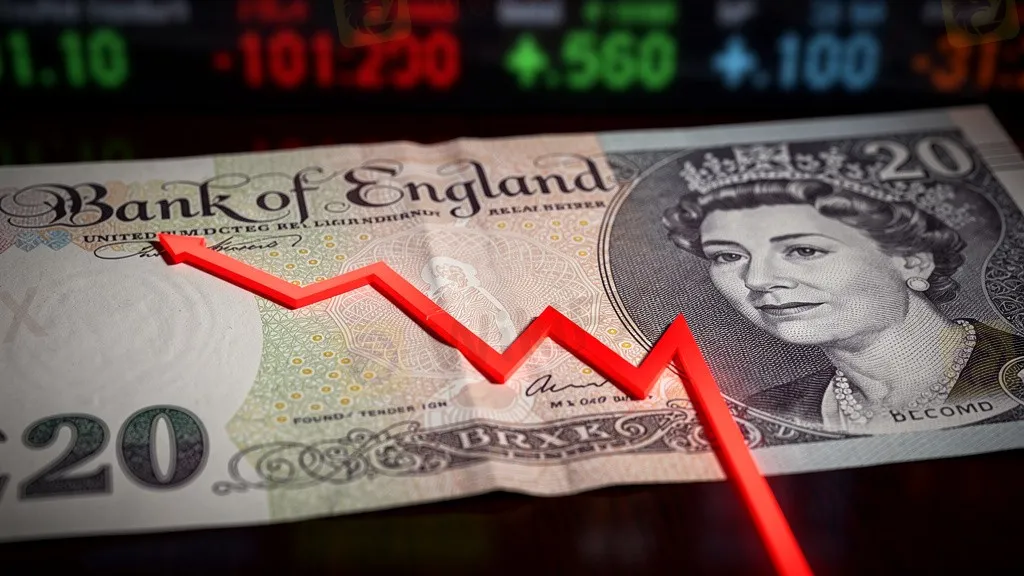
The British Pound (GBP) underperformed major peers on Wednesday, falling against the US Dollar and Euro, presenting a counterintuitive reaction to hotter-than-expected headline inflation data.
While the Consumer Price Index (CPI) rose to 3.4% year-on-year in December, beating the 3.3% forecast, foreign exchange markets focused intently on the dovish details buried within the report.
The Devil in the Details
The currency's depreciation stems from the components of inflation that the Bank of England (BoE) watches most closely:
- Core CPI: Excluding volatile food and energy prices, core inflation held steady at 3.2%, coming in below the market expectation of 3.3%.
- Services Inflation: A critical gauge of domestic price pressures, services CPI ticked up marginally to 4.5% but fell short of the 4.6% forecast.
This “headline hot, core cold” dynamic suggests that while price pressures persist, the stickiest elements of inflation are not re-accelerating to a degree that would force the BoE to abandon its easing path.
Repricing Policy Expectations
Market pricing indicates that traders remain confident the BoE will proceed with rate cuts, with an 80% probability priced in for a cumulative 50 basis points of easing over the next year.
“The data confirms that the most persistent parts of the inflation basket are under control,” noted analysts. “This reinforces the view that the BoE can afford to cut rates to support the slowing economy, which naturally erodes the Pound's yield appeal.”
Technicals
- GBP/CAD dropped 0.22% to trade around 1.8540, while GBP/USD struggled to gain traction.
The currency now finds itself in a “sell-on-rallies” regime, capped by the divergence between the UK's economic stagnation and the relative resilience of the US economy. Markets turn next to the incoming Retail Sales and Flash PMI data, which will determine if the Pound's current support levels can hold.
Disclaimer:
The views in this article only represent the author's personal views, and do not constitute investment advice on this platform. This platform does not guarantee the accuracy, completeness and timeliness of the information in the article, and will not be liable for any loss caused by the use of or reliance on the information in the article.
WikiFX Broker
Latest News
China Holds Rates Steady After Hitting 5% Growth Target, Easing Expected in Q1
 WikiFX
JPY Volatility Ahead: PM Takaichi Calls Snap Election Amid Rate Hike Speculation
WikiFXIs Forex Still Worth It in 2026? Global Central Banks Are Splitting
WikiFXThe Fed on Trial: Markets Brace for Supreme Court Showdown Over Central Bank Independence
WikiFXTrade War 2.0: Trump’s Greenland Ultimatum Rattles Transatlantic Alliance
WikiFXEuro Stabilizes as France Forces 2026 Budget; Bond Spreads Narrow
WikiFXJPY Volatility Spikes as PM Takaichi Calls Snap Election and Fiscal Gamble
WikiFXJGB Yields Breach 4% as PM Takaichi's Fiscal Gambit Triggers 'Sell-Off'
WikiFXScrolled, Clicked, Lost RM166,000: Factory Worker Trapped by Online Investment Scam
WikiFXChina Macro: Liquidity Trap Signals Persist Despite Credit Bump
WikiFXCurrency Calculator
USD

CNY
Current Rate: 0
Amount
USD
Available
CNY
Calculate