Abstract:A 51-year-old consultant has lost almost RM3 million after falling victim to an online cryptocurrency investment scam that promised unusually high profits within a short period.
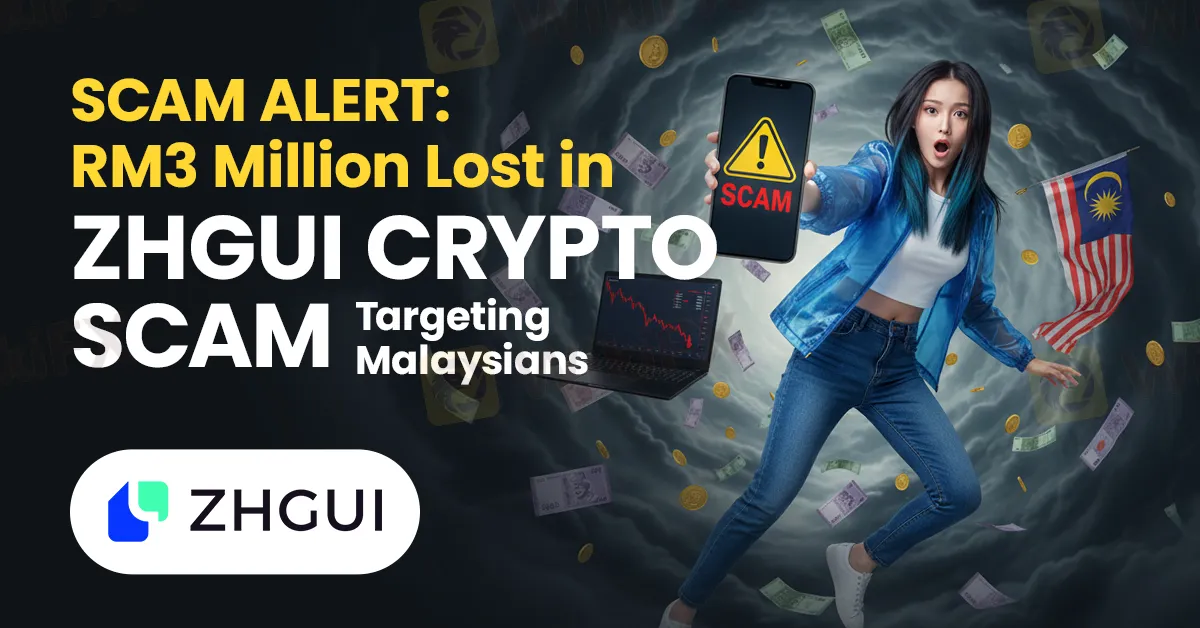
A 51-year-old private company consultant from Petaling Jaya has lost almost RM3 million after falling victim to an online cryptocurrency investment scam that promised unusually high profits within a short period.
The victim, who works as a consultant for a company involved in oil and gas, construction, and information technology, believed she was investing in a legitimate crypto project promoted through a WhatsApp group.
The Trap Began With a WhatsApp Group
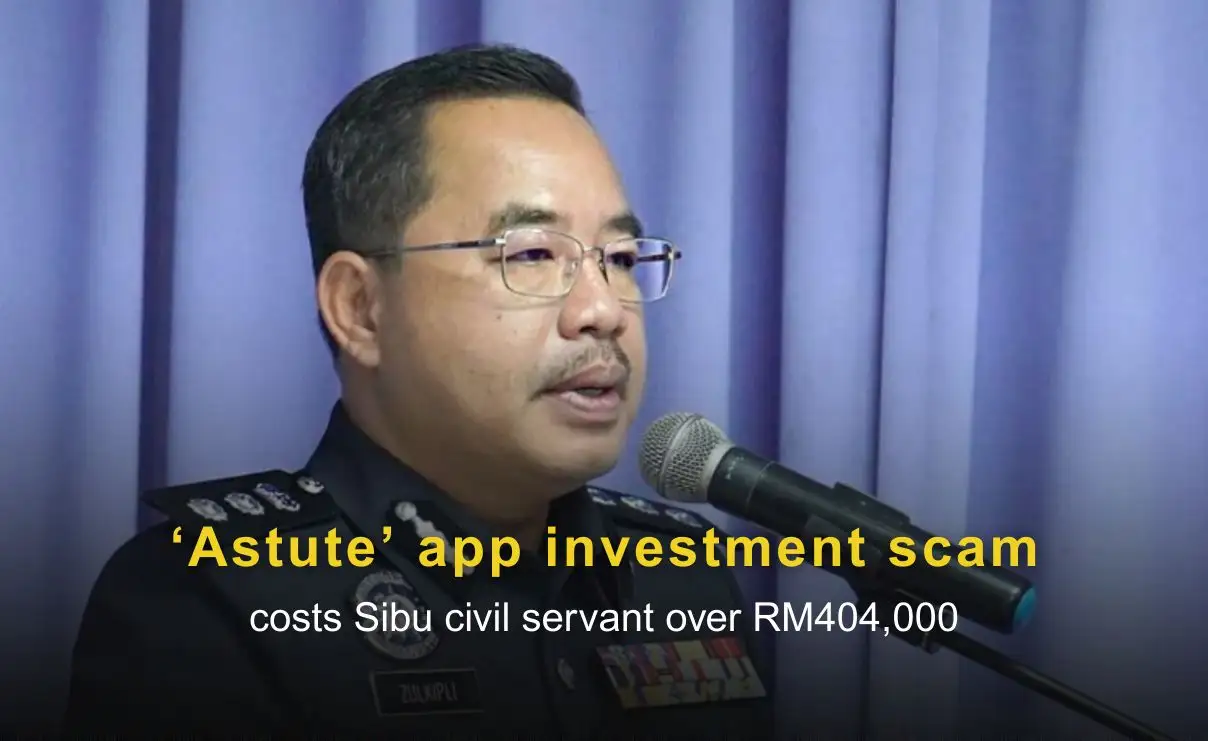
According to Assistant Commissioner Mohd Zhafir Mohd Zubir, Chief of Brickfields District Police, the woman was added to a WhatsApp group in June this year. The group appeared to be promoting a lucrative cryptocurrency investment plan.
One man in the group repeatedly encouraged members to join a trading platform he claimed would generate high and stable returns. The woman, convinced by the professional appearance of the project and the enthusiasm of other group members, decided to take part.
She was instructed to register on a website called https://www.zhguiqz.com, which hosted a platform under the name “ZHGUI.” Believing the platform was genuine, she began transferring funds into several bank accounts provided by the so-called investment manager.
Losses Mount Quickly
Between 15 July and 12 October, the victim made a total of 33 transactions to six different bank accounts, amounting to RM2,995,630.
Police investigations later revealed that the funds were sent to accounts under multiple names, a common tactic used by scam syndicates to make tracing difficult. By the time the victim realised she had been deceived, the website had become inaccessible, and the group members had disappeared.
Authorities believe this case is part of a wider network of crypto investment scams that have recently targeted Malaysians through social media and messaging apps.
Authorities Warn Against “Too Good to Be True” Promises
Assistant Commissioner Mohd Zhafir urged the public to remain cautious and to verify all investment opportunities before transferring money online.
“Fraudsters are getting more creative,” he said. “They use fake trading platforms and social media groups to gain the trust of investors. Any investment promising unusually high and guaranteed returns should immediately raise suspicion.”
He also advised victims to report such incidents promptly so that police can track the networks involved and prevent further losses.
Crypto Investment Scams on the Rise
Cases like this have become increasingly common across Malaysia in recent years. Scammers often present themselves as professional brokers or financial advisers, using polished websites, trading dashboards, and testimonials to appear legitimate.
Once investors deposit money, the fraudsters may even show fake profits on the platform to gain further trust, encouraging victims to invest more. But when investors attempt to withdraw their funds, the platform either delays payment or vanishes altogether.
These scams often involve offshore accounts and unlicensed trading platforms, making it difficult for victims to recover their losses once the money leaves the country.
How WikiFX Helps You Avoid Scams Like This
To protect investors from falling into such traps, WikiFX offers an essential service that verifies the licence and legitimacy of forex brokers, trading platforms, and investment websites worldwide.
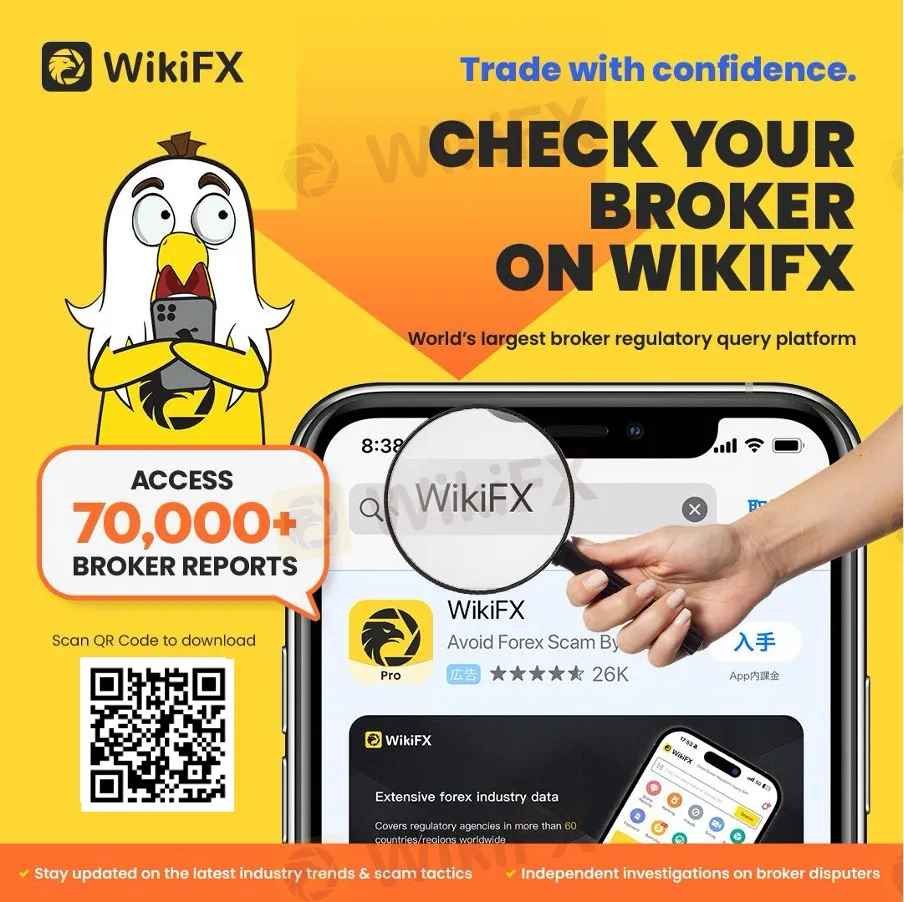
As a global broker regulatory query platform, WikiFX collects data from over 30 international financial regulators, including the Monetary Authority of Singapore (MAS), the Financial Conduct Authority (FCA) in the United Kingdom, and the Australian Securities and Investments Commission (ASIC).
Before investing, users can search any broker or platform on the WikiFX mobile app to instantly see:
- Whether the company holds a valid regulatory licence
- Its risk rating and compliance status
- User reviews and complaint records
- Alerts about fraudulent or unverified websites
Real Time Warnings and Risk Alerts
WikiFXs advanced monitoring system issues real-time warnings about suspicious trading websites and potential scams. Users receive notifications about high-risk brokers, imitation websites, and platforms known for withdrawal issues.
In addition, WikiFX maintains a blacklist database of confirmed scam platforms. These databases are regularly updated in collaboration with regulators and industry watchdogs around the world.
Through its community feature, WikiFX also allows traders to share personal experiences and warnings about fraudulent brokers, building a collective defence against online scams.
Education and Awareness Are Key
WikiFX believes that protecting investors goes beyond verification. The platform runs public education initiatives, including webinars, news updates, and market reports, to help users recognise red flags such as:
- Promises of guaranteed profits
- Requests to transfer funds to personal bank accounts
- Lack of company registration or verifiable address
- Poor communication or sudden disappearance of support teams
By raising awareness, WikiFX aims to reduce the growing number of Malaysians losing their savings to online scams.