Abstract:The fear of missing out (FOMO) is NOT what you think it is! Read the three lesser-discussed components that contribute greatly to FOMO trading!
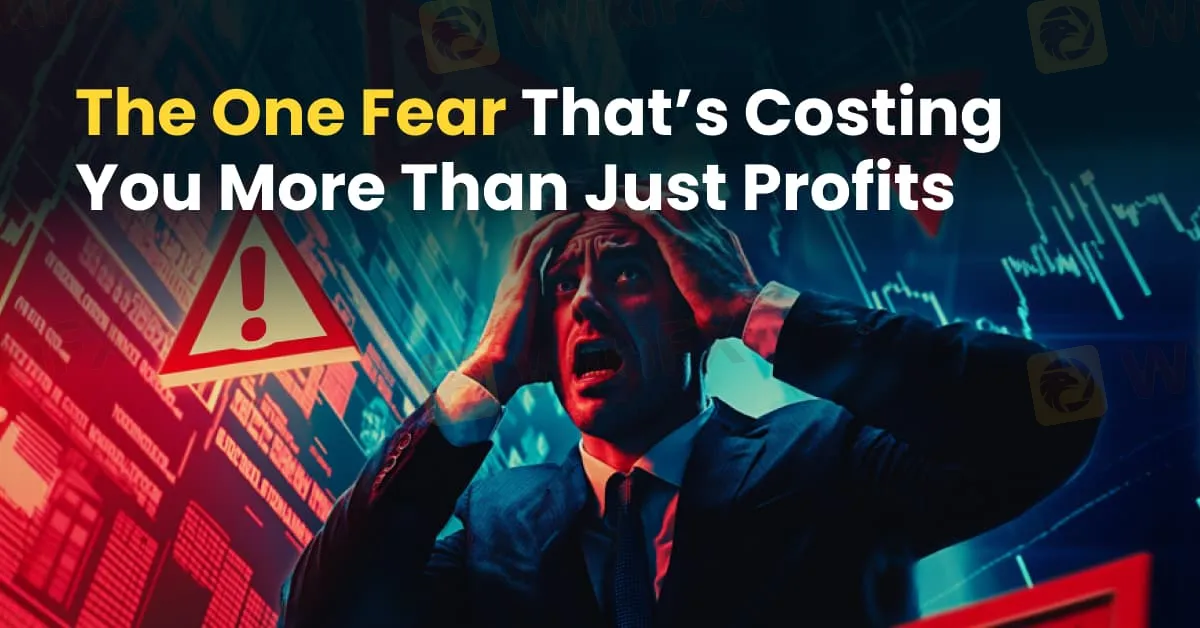
In the fast-paced world of trading, where milliseconds can define profit or loss, fear is an ever-present force. Yet not all fear is obvious. Some wear subtle disguises, such as appearing as hesitation, overanalysis, or compulsive action. Among the most destructive of these is the fear of missing out (FOMO), fuelled by three lesser-discussed but deeply ingrained fears: the fear of losing, the fear of winning too little, and the fear of passing time without action.
Each of these emotions chips away at a traders discipline, nudging them into irrational decisions that ultimately erode long-term performance.

Loss aversion is a well-documented behavioural bias, but in trading, it often manifests in harmful ways. Many traders, even experienced ones, will hold on to losing positions far longer than they should, paralysed by the fear of being wrong or of accepting even a modest loss. Ironically, its this very fear that turns small, manageable losses into devastating ones.
This emotional bias often leads to premature exits from otherwise sound trades or aggressive ‘revenge trading’ to compensate. Neither path serves a long-term strategy.

A lesser-discussed but equally damaging mindset is the fear of not capitalising enough on a good trade. This drives traders to over-leverage or extend their position beyond sensible parameters, often resulting in profits being wiped out entirely.
This fear feeds the illusion that every trade must be maximised for its full potential, rather than executed in accordance with a disciplined strategy. It neglects the reality that trading success is not about grand slams, but its about consistent, repeatable outcomes.

Perhaps the most deceptive fear is that of inactivity. In todays hyper-connected markets, where price feeds and news alerts run 24/7, doing nothing can feel like falling behind. This fear creates a false urgency which eventually leads to overtrading, chasing price moves, or entering trades with no strategic basis.
The reality? Professional traders know that not trading is sometimes the most profitable move of all. Waiting for high-probability setups, rather than forcing trades out of boredom or anxiety, is what separates seasoned professionals from impulsive speculators.

All three of these fears—of losing, of winning too little, and of idle time—culminate in the ultimate trading trap: FOMO. It seduces traders into abandoning their systems, chasing trends, and ignoring risk management. In the long run, FOMO-fuelled decisions are almost always regretful ones.
To overcome these fears, traders must develop self-awareness and a structured process. Journaling trades, defining risk parameters in advance, and stepping away from the screen when necessary are essential habits. Trading is as much a psychological game as it is a technical one.
Mastering the market starts with mastering yourself. And that begins by confronting the fears that silently sabotage your performance every single day.