Smart People, Costly Scams: Education Isn’t Enough
Sundramoorthy said investment scams continued to ensnare victims from all walks of life, including highly educated professionals accustomed to analytical and evidence-based thinking
Original

简体中文
繁體中文
English
Pусский
日本語
ภาษาไทย
Tiếng Việt
Bahasa Indonesia
Español
हिन्दी
Filippiiniläinen
Français
Deutsch
Português
Türkçe
한국어
العربية

Abstract:Prime Trust, a Las Vegas-based cryptocurrency custodian, has taken the step of filing for Chapter 11 bankruptcy protection amidst a series of challenges including regulatory scrutiny and failed acquisition attempts.
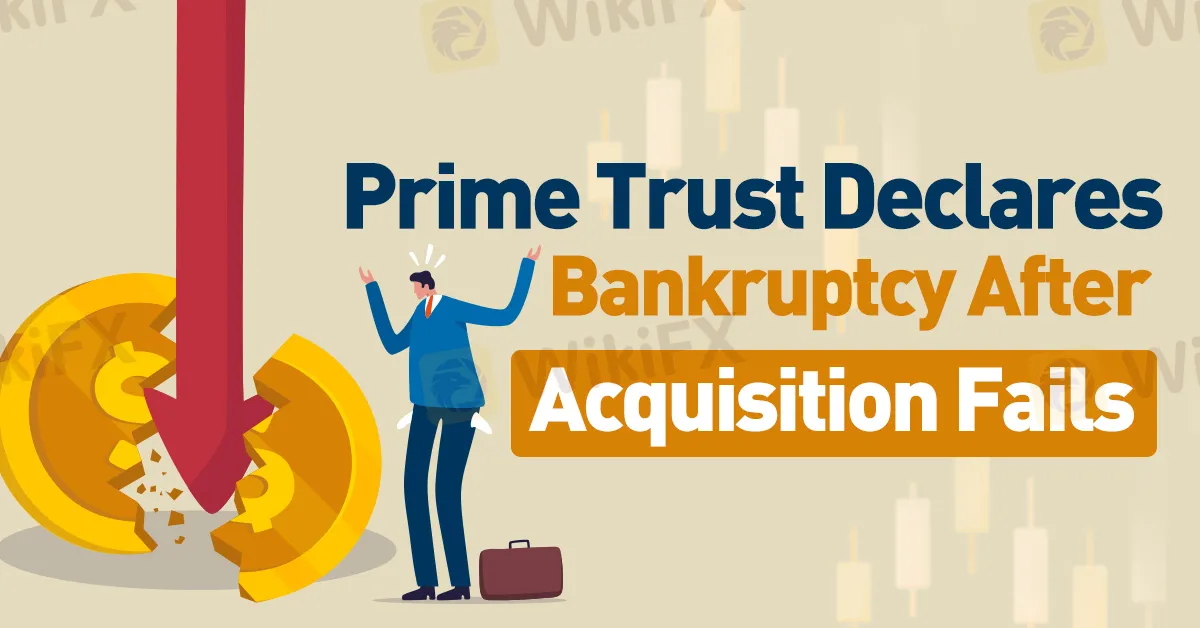
Originally founded in 2016, Prime Trust initially garnered acclaim for its blockchain-based infrastructure and APIs tailored for financial institutions. Nonetheless, the company has recently initiated a Chapter 11 bankruptcy proceeding, marking the latest in a series of setbacks for the fintech enterprise, which has encountered a string of challenges over the past year, encompassing regulatory interventions and unsuccessful acquisition endeavours.
The decline of Prime Trust gathered momentum when it was placed under receivership by Nevada regulators in June, a move attributed to the company's insolvency and inability to cater to its clientele. Concurrently, a potential acquisition by its rival crypto custodian Bitgo fell through without elucidation, raising apprehensions about the firm's stability.

In June, Prime Trust's subsidiary Banq filed for bankruptcy due to alleged mismanagement during the tenure of former CEO Scott Purcell. In addition, partner company Abra confronted a cease and desist order in Texas following allegations of securities fraud.
The situation further deteriorated when the Nevada Financial Institutions Division (NFID) intervened, closing down Prime Trust's operations on the grounds of breaching fiduciary obligations and trust laws. Regulators reportedly uncovered instances where Prime Trust had inappropriately utilized customer funds to fulfil withdrawals since December 2021.
“The NFID was actively monitoring the solvency of Prime Trust in anticipation of a potential acquisition or merger,” stated the regulator. “Ultimately, Prime failed to safeguard assets under its custody and cannot meet all client withdrawals. As such, Prime had breached its fiduciary duties to its clients, violating Nevada trust laws.”
The alleged misallocation of funds was exacerbated by the majority of digital assets held by Prime Trust, predominantly composed of illiquid assets instead of more mainstream cryptocurrencies like Bitcoin. Consequently, the company faced escalating financial obligations.
Former President of the Bank of Nevada, John Guedry, has reportedly been appointed to lead the restructuring efforts as a receiver, while Judge Susan Johnson will oversee the bankruptcy proceedings. In the meantime, Prime Trust will continue its operations within the purview of the bankruptcy court. However, the company intends to file a motion to sustain the payment of wages and benefits to its employees during this phase.
Moreover, the cease and desist order prompted other cryptocurrency firms to withdraw their holdings from Prime Trust, generating a ripple effect within the industry. According to Tuesday's statement, Prime Trust is considering strategic alternatives, including the potential divestment of its assets.

Disclaimer:
The views in this article only represent the author's personal views, and do not constitute investment advice on this platform. This platform does not guarantee the accuracy, completeness and timeliness of the information in the article, and will not be liable for any loss caused by the use of or reliance on the information in the article.
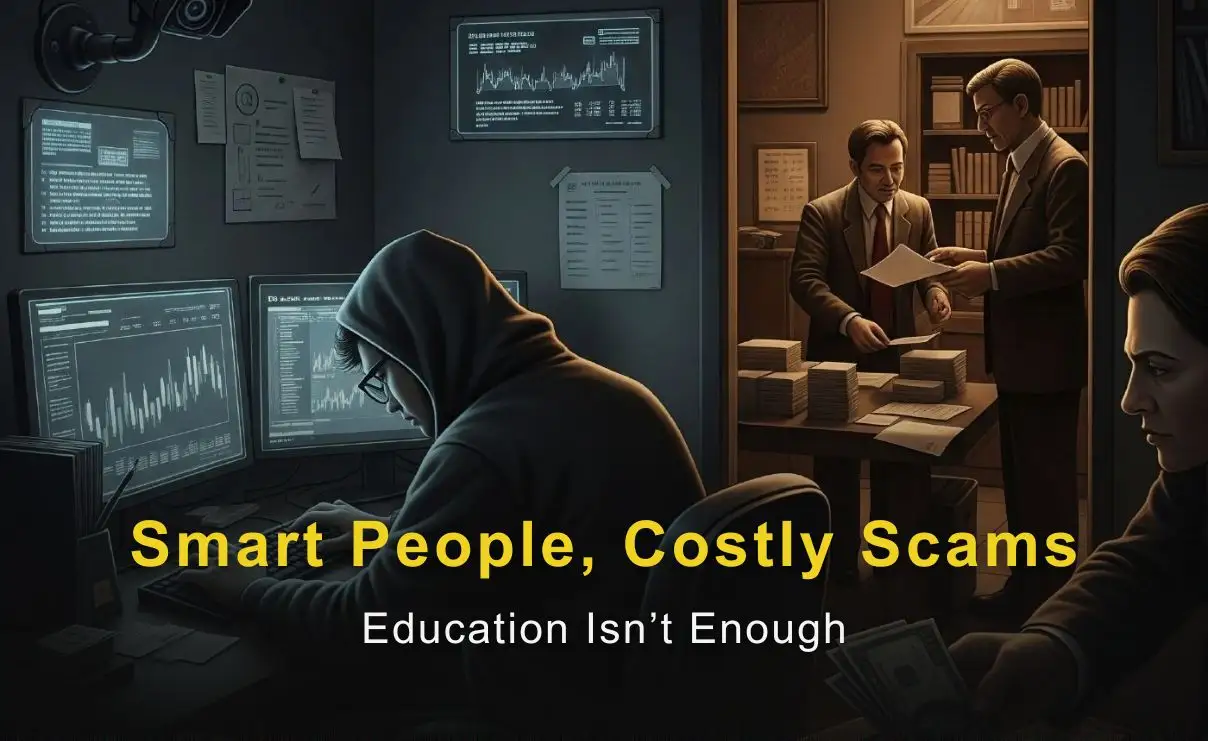
Sundramoorthy said investment scams continued to ensnare victims from all walks of life, including highly educated professionals accustomed to analytical and evidence-based thinking
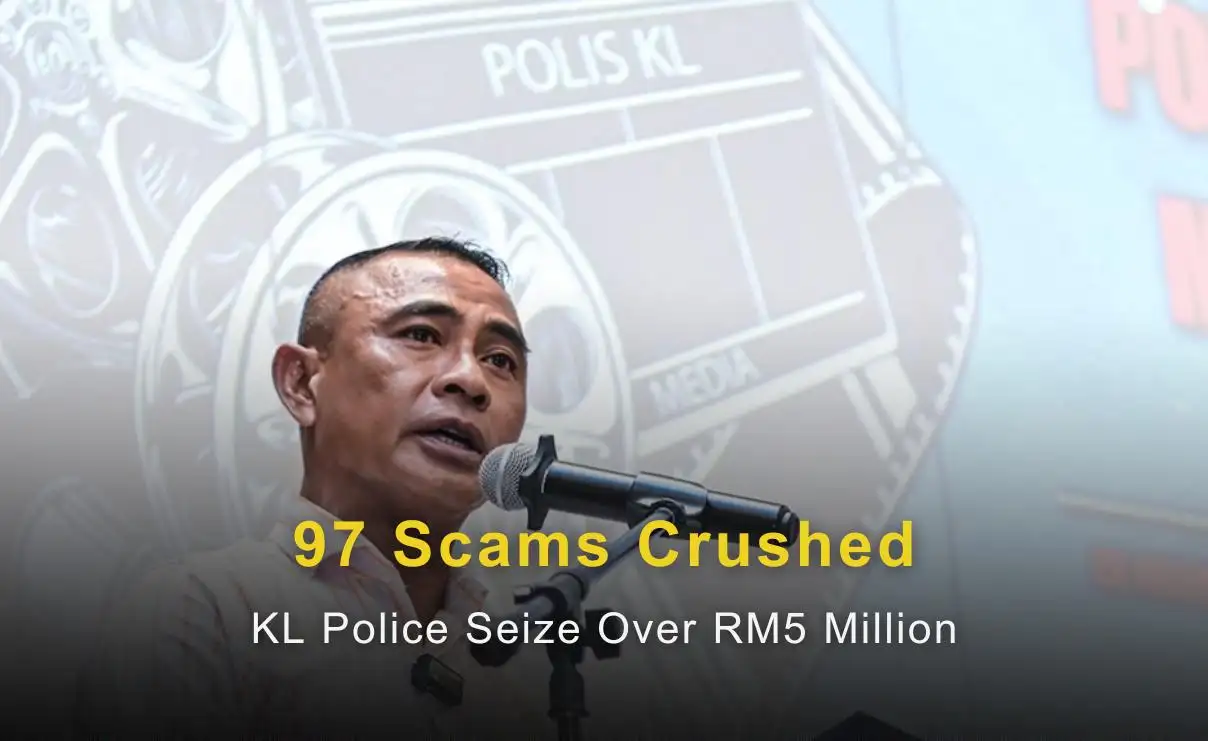
Police busted 97 online scam cases and seized more than RM5 million, in a series of integrated operations conducted in the capital throughout last year.

When traders ask, "Is OneRoyal legit or a scam?" The answer isn't simply yes or no. OneRoyal is a trading company that has been running for almost twenty years and has important licenses from top financial authorities. This background puts it far away from typical quick scam operations. However, questions about whether it's trustworthy are reasonable and often come from its complicated business structure, the use of overseas companies, and a pattern of specific, serious complaints from users. This article aims to go beyond marketing claims and provide a fact-based analysis of OneRoyal's trustworthiness.
A global crypto transparency era begins as 48 countries enforce CARF rules; data-sharing to combat tax evasion expands worldwide by 2029.
 WikiFX WikiFX WikiFX WikiFX WikiFX WikiFX WikiFX WikiFX WikiFX WikiFX
