Ringgit hits five-year high against US dollar in holiday trade
The Malaysian ringgit extended its rally, reaching a five-year high against the US dollar, trading in a narrow range of RM4.04-RM4.05.
Industry

简体中文
繁體中文
English
Pусский
日本語
ภาษาไทย
Tiếng Việt
Bahasa Indonesia
Español
हिन्दी
Filippiiniläinen
Français
Deutsch
Português
Türkçe
한국어
العربية

Abstract: Chile’s central bank agreed to a $25 billion intervention in the foreign exchange market due to the galloping advance of the U.S. dollar in recent weeks.


Chiles central bank announced a $25 billion intervention in the foreign exchange market to support the peso after it fell to a record low, giving the currency a boost on Friday.
In a statement released Thursday night, the bank said the peso had depreciated with unusually high intensity and volatility over the last few days.
On Thursday, the peso hit a record low of 1,045.80 to the dollar, dropping 3.7% on the day. The bank said it decided to intervene due to the U.S. dollar‘s strong global advance since June, the drop in the price of copper, Chile’s main export, and “local uncertainty.”
The announcement boosted the peso, which closed with a 7.8% gain Friday afternoon.
“This is a welcome development, particularly if combined with a decisive conventional monetary policy strategy,” said Alberto Ramos, an economist at Goldman Sachs.
“However, there are limits to what the central bank can achieve given the very challenging domestic and external context and when taking into account the limited amount of foreign exchange reserves.”
Chile relies on copper exports to boost its economy, but the metals price has tanked, hurt by fears of a global recession and lowered demand, particularly from China. Meanwhile, assumptions of an aggressive rate hike by the U.S. Federal Reserve later this month have propelled the dollar to recent highs.
Brokerage Banchile Inversiones said that the intervention would only partially alleviate the pressures on the Chilean peso since “factors that are unfavorable still persist.”
Fridays peso rally was to be expected, said Marcos Casarin, chief Latin American economist at Oxford Economics in Mexico.
Casarin said that “$25 billion in a country like Chile where GDP is not very big is remarkable. Theres no doubt that (the peso) is going to be an outperformer in the aftermath.”
Exceptional measures
The bank announced a $10 billion sales program on the spot market from July 18 to Sept. 30 and the sale of foreign exchange hedging instruments for the same amount.
Additionally, to increase the provision of liquidity in dollars, it will offer a currency swap plan for up to $5 billion, complemented by a liquidity program in pesos.
“These exceptional measures are consistent with the monetary policy scheme, based on an inflation target and exchange rate flexibility,” the statement said.
Hours later, the bank published an initial operations calendar, which next week includes $500 million in forward sales and $200 million in spot sales a day along with two swap sales totaling $600 million.
Earlier in the week, the bank had said that the deterioration of the local currency had not significantly affected the financial system, although it said it would continue to assess the situation in order to act if necessary.

Disclaimer:
The views in this article only represent the author's personal views, and do not constitute investment advice on this platform. This platform does not guarantee the accuracy, completeness and timeliness of the information in the article, and will not be liable for any loss caused by the use of or reliance on the information in the article.
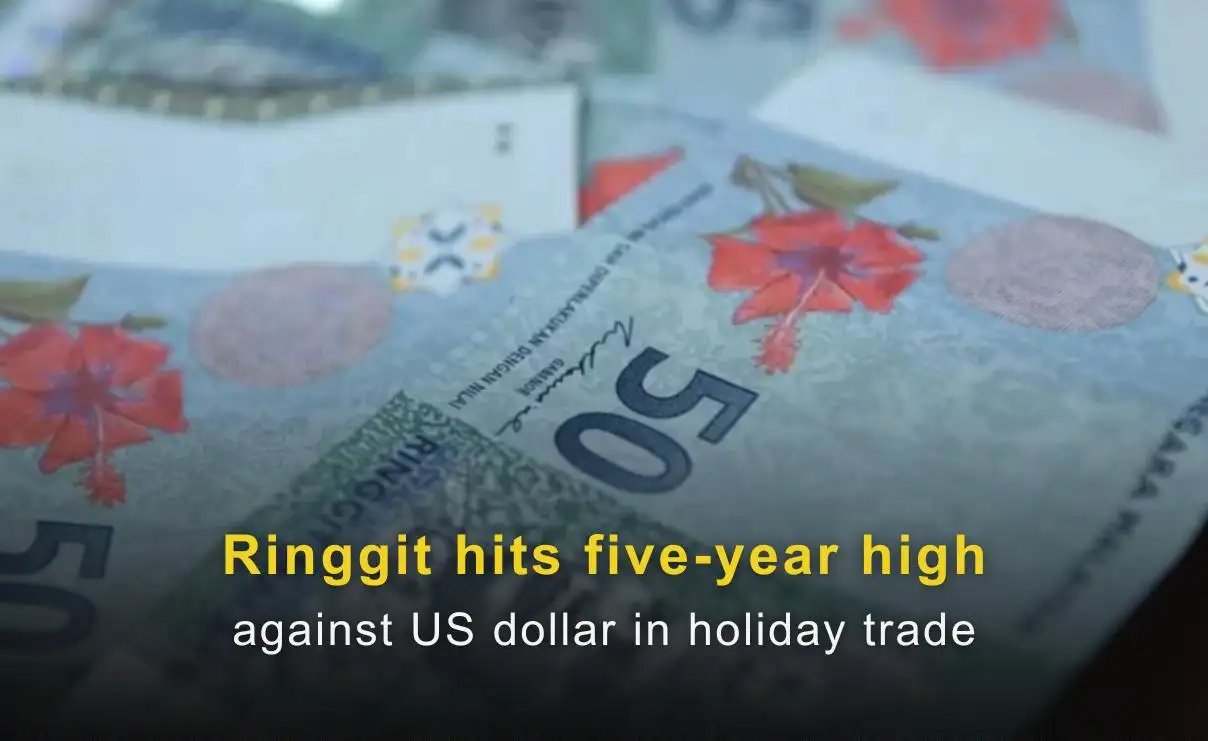
The Malaysian ringgit extended its rally, reaching a five-year high against the US dollar, trading in a narrow range of RM4.04-RM4.05.

WikiFX has launched the “Inside the Elite” Interview Series, featuring outstanding members of the newly formed Elite Committee. During the committee’s first offline gathering in Dubai, we conducted exclusive interviews and gained deeper insights into regional market dynamics and industry developments. Through this series, WikiFX aims to highlight the voices of professionals who are shaping the future of forex trading — from education and compliance to risk control, technology, and trader empowerment.

It starts with a phone call—often aggressive, always persistent. A "personal manager" promises to guide you through the complexities of the market, asking for a modest $200 deposit. But according to sixteen separate reports from victims across Latin America, Europe, and the Middle East, that initial deposit is just the entry fee to a financial hostage situation.
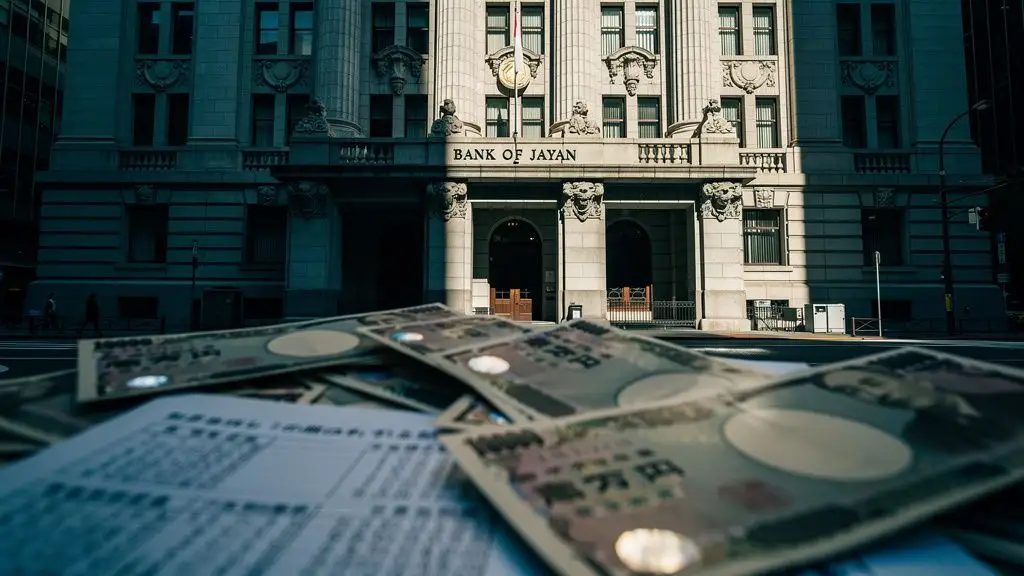
New fiscal proposals and hawkish central bank rhetoric are reshaping the outlook for the Japanese Yen, as the government unveils a record-breaking budget while the Bank of Japan (BoJ) hints at accelerated monetary tightening.
 WikiFX WikiFX WikiFX WikiFX WikiFX WikiFX WikiFX WikiFX WikiFX WikiFX
